PSA dog sport
Does Obedience Kill Drive? Building Power and Control in PSA
Does obedience kill drive? A practical look at PSA training, power and control for protection sport handlers in Wirral, Merseyside and Cheshire.
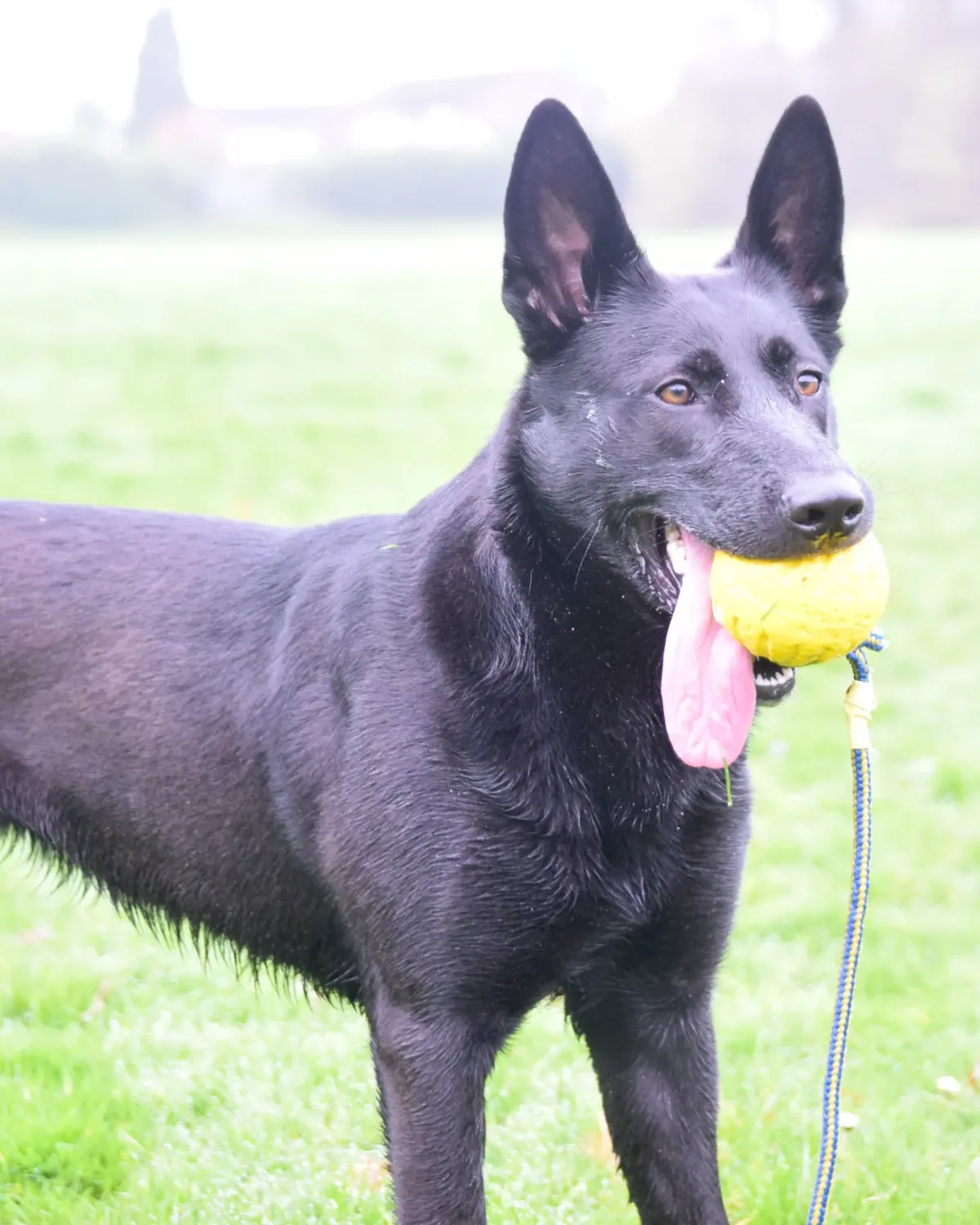
PSA asks for obedience and commitment within the same performance. A dog needs to remain responsive to its handler while working around decoys and distractions, then commit to controlled protection exercises. Developing both qualities requires clear cues and appropriate progressions.[1]
For handlers beginning PSA dog training, the relationship between obedience and drive can feel confusing. You want a dog that commits fully to the work, but you also need a dog that can respond clearly when asked to change behaviour. The question is how to develop those qualities together.
How PSA brings obedience and protection together
A dog may understand an obedience exercise in a quiet setting but need further teaching before performing it around a decoy. Keeping motivation while introducing control depends on what the dog understands and how the next stage is taught.
The Protection Sports Association combines obedience with controlled protection, including obedience in the presence of suited decoys at its competition levels. Both parts need preparation: focus around that distraction and commitment during protection.[1]
Can obedience affect a dog’s motivation?
It would be too simple to say that obedience can never affect drive. How behaviour is taught, what the dog understands and how the session develops all matter.
A dog that becomes hesitant when control is introduced needs a closer look. Is the cue clear? Has the behaviour been taught sufficiently? Has the difficulty increased too quickly? Does the handler recognise and reward the response they want?
Equally, an intense-looking dog is not automatically demonstrating a complete understanding of the work. A dog may be highly motivated while still struggling to respond to its handler. Enthusiasm and understanding need to be assessed separately.
Control should become an understood part of the work. The handler should be able to explain what response is required and why the dog is ready to attempt it in that setting.
Develop both qualities with a plan
Developing obedience and protection alongside one another does not mean combining every difficulty from the beginning. Individual skills still need teaching, and the training team needs to decide when they can be brought together.
For example, reliable behaviour in a quiet setting gives you useful information. It does not establish that the same behaviour is ready around a decoy. That transition deserves its own plan, with the trainer and decoy working towards the same objective.
Before a session, answer three questions: what are we developing, what response are we looking for, and what will tell us that the dog needs an easier version?
If those answers are unclear, adding more intensity is unlikely to make the session easier to interpret.
Watch the whole performance
When studying PSA footage, give as much attention to the quieter moments as the protection itself. Watch how the dog enters the field, responds between exercises and changes behaviour when the handler gives a cue.
Useful questions include:
- Does the dog remain engaged when nothing exciting is happening?
- Can you see a clear response to the handler’s cues?
- Does the dog maintain commitment when asked to work?
- What happens during transitions, rather than only at the highlight moments?
Video cannot tell you everything about a dog’s training history or emotional state. It can, however, help you ask better questions. PSA’s official training library includes complete routines and handling resources that provide more context than short clips.[2]
How this connects to CPP
ADVK9’s Clarity, Power and Performance framework examines the foundations that support progress. In PSA, that includes developing commitment alongside responsive control.
Clarity means examining whether the dog understands the task and whether the handler communicates consistently. Power means developing commitment with purpose. Performance means asking whether those foundations support the work when the demands increase.
For protection sport handlers in Wirral, Chester, Cheshire and Merseyside, this is a useful starting point when considering training support: can the trainer explain how they intend to develop both commitment and control in your individual dog?
ADVK9 PSA is a sport-only group on Saturdays in the Wirral, with obedience and protection rounds. The work develops drive and bite-work principles at the dog’s level, including where a dog is not yet biting; sport titles or training progress should not be treated as proof of household protection suitability.
If you are struggling with that balance, send an enquiry via the ADVK9 Working Dogs homepage form. New or uncertain handlers can book the £75 Sport Dog Kickstarter first; experienced sport handlers can book the PSA group directly subject to club rules and committee discretion, or apply for sport-focused 1:1 coaching, subject to suitability and club rules.