
PSA dog sport
Getting Started in PSA Dog Training: Foundations Before Your PDC
Starting PSA dog training? Explore PDC foundations, the £75 Kickstarter and ongoing training routes for handlers in Wirral and Cheshire.
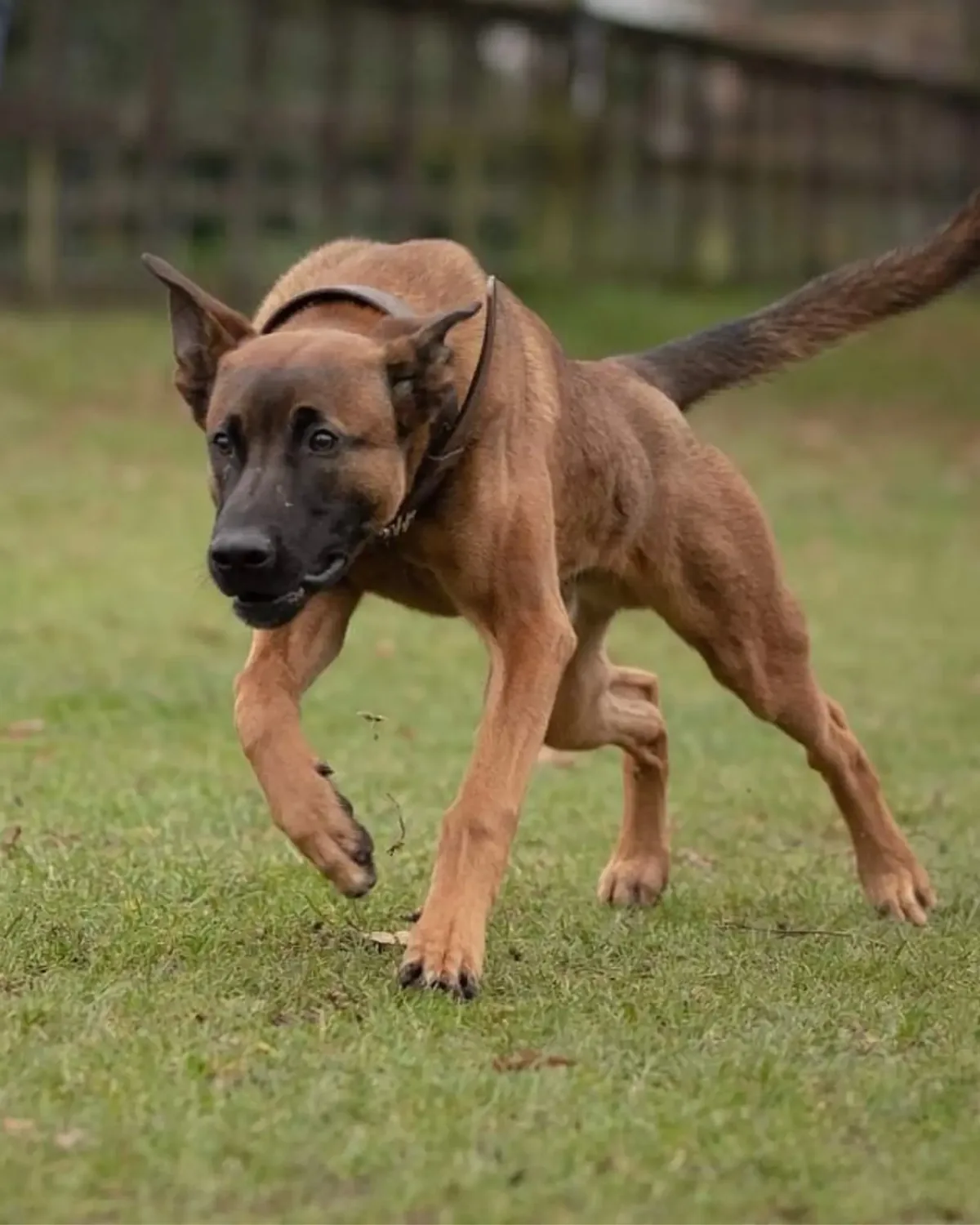
Your first PSA certificate is a meaningful goal. The training you do to reach it should also give you something to build on afterwards.
For new handlers, it is easy to become focused on what the finished exercises look like. The more useful starting question is what your dog needs to understand before those exercises can become reliable.
PSA, the Protection Sports Association, combines obedience and controlled protection. The PDC, or Protection Dog Certificate, is its entry assessment before progression into the competition levels. Progression into the competitive levels requires the suit-division PDC. The current official rulebook is the reference for requirements, while the organisation’s training library offers PDC preparation and handling material.[1][2]
Understand the sport before choosing a trial date
Begin by reading the relevant rules and watching complete routines. If possible, observe a trial and speak to an experienced club about how teams prepare.
Try to separate three questions: what does the assessment require, what can your dog currently do, and what needs to be taught before those two things align?
An assessment requirement describes the behaviour that must be shown. It does not provide an individual development plan for every dog. That is where thoughtful coaching matters.
A date can help organise preparation, but it should remain open to review. Training towards an event is useful only when the dog’s progress supports the decision to enter.
Build a shared language
Clear communication is one of the first foundations to examine. Does the dog understand the cue, the expected response and when the task has finished? Does the handler use the same signals consistently?
Consider a position exercise. The initial movement is only one part of the behaviour. Remaining in position, waiting for the next cue and understanding the release are separate details that may need attention.
Reward delivery also deserves thought. A handler should know which response they are reinforcing and whether their timing makes that clear. If the cue, body movement and reward placement change accidentally on every repetition, progress becomes harder to judge.
The aim is a language both dog and handler can use consistently before the environment becomes more demanding.
Teach skills before assembling routines
A finished routine contains several behaviours connected by transitions. Repeating the whole sequence can make it difficult to identify which part needs work.
If a dog struggles with one component, isolate that component with your trainer. Establish a clearer response, then consider how to reconnect it to the rest of the exercise.
This approach also gives handlers a more useful job between club sessions. Rather than trying to recreate a complete protection routine, they can work on agreed foundation tasks that fit their experience and setting. Protection work itself needs the appropriate training team, equipment and controlled environment.
Tarheel’s published obedience course curriculum identifies engagement, feedback, separating exercises and trial readiness as distinct learning topics. That is a useful reminder that preparation involves more than rehearsing the final picture.[3]
Assess the dog you actually have
Other teams can offer inspiration, but their timeline is not a reliable measure of your dog’s readiness. Training history, confidence, physical development and existing understanding all influence the next sensible step.
Bring observations to your trainer rather than labels. “The dog held position in this setting but moved when the decoy appeared” gives the team something specific to examine. “The dog has no control” tells you much less.
The same applies to successes. Record what went well and under which conditions. A good repetition is useful evidence; it is not a reason to assume every version of the task is now established.
Choose training support that explains the process
If you are looking for PSA dog training around Wirral, Chester, Cheshire or Merseyside, ask how the club assesses new teams and plans their progression. New or uncertain handlers are recommended to start with the £75 Sport Dog Kickstarter, a 45-minute practical foundations session for sport or personal/family protection goals; it is a recommended starting point, not a compulsory entry gate. For ongoing PSA sport, experienced handlers can use the club route, subject to attendance confirmation and club rules, or choose 1:1 coaching where that is the appropriate fit.
Useful questions include:
- What will you assess before recommending a training plan?
- How do the handler, trainer and decoy agree the session objective?
- What should I practise between sessions?
- How will we decide when to increase difficulty?
- What would make you recommend postponing a trial?
A clear answer does not need to be complicated. You should leave knowing what you are working on and how the next step will be reviewed.
A simple foundation review
Make a short list of your current training goals. Beside each, record whether it is reliable in familiar conditions, developing in other settings or still needs teaching. Include your handling as well as the dog’s responses.
Use that review with your trainer. It is a planning tool, not an unofficial PDC pass standard.
ADVK9’s Clarity, Power and Performance approach includes reviewing earlier foundations when progress stalls. Identifying those gaps early helps the handler and coach plan the next stage.
If you are starting protection sport training or reassessing your foundations, book the Sport Dog Kickstarter or, if you are an experienced sport handler, use the appropriate club booking route. ADVK9 will confirm club attendance subject to the club rules and committee discretion. For a more personalised ongoing plan, 1:1 coaching is available where suitable. You can also send an enquiry through the homepage form if you are unsure which route fits.