
PSA dog sport
Your first PSA club session on the Wirral
What to expect at your first Wirral PSA club session: Saturday training, dog readiness, two coached rounds and £50 session or £150 monthly options.
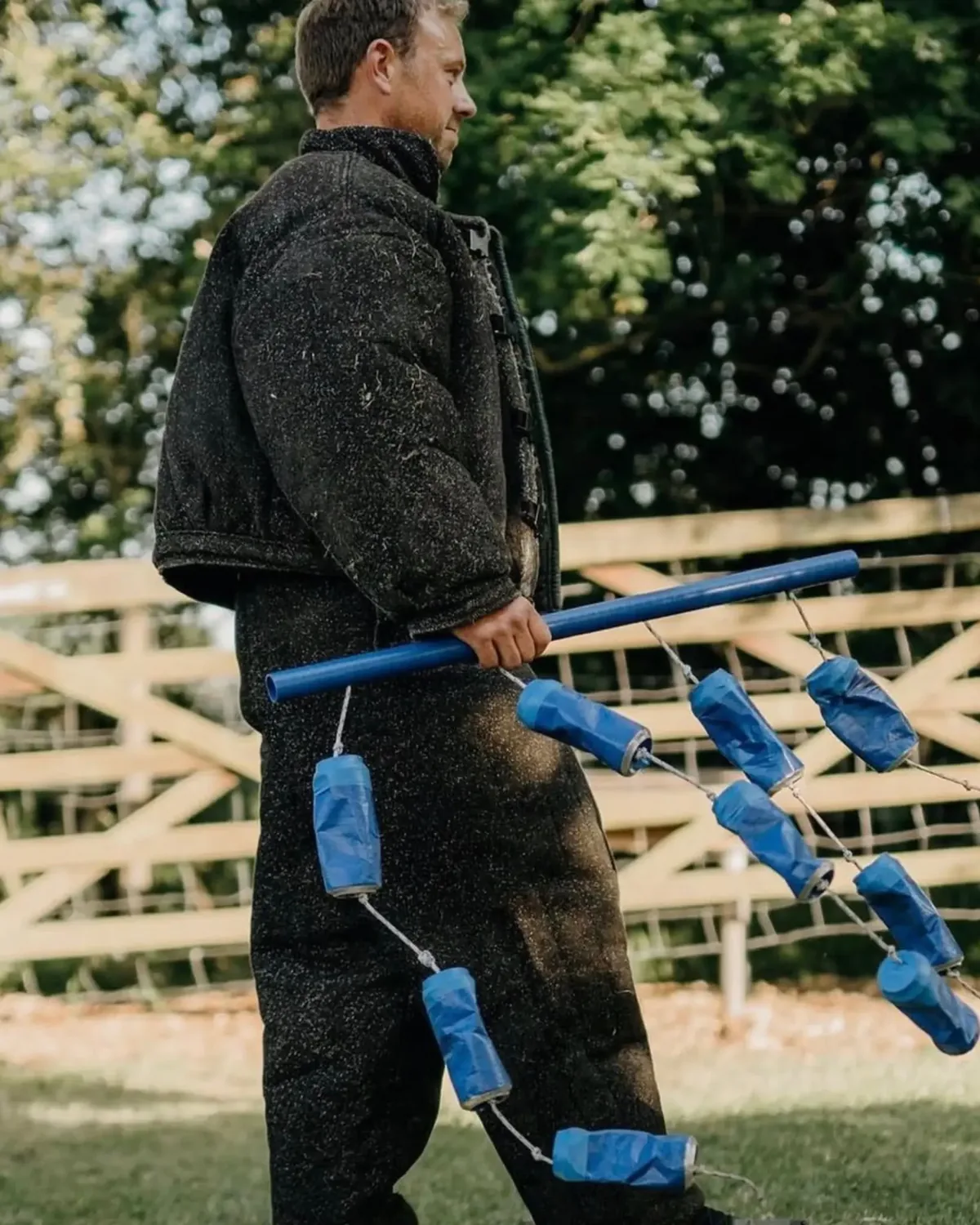
A Saturday session with your own dog
Your first PSA club session on the Wirral is a chance to start coached work with the dog you already own. You do not need to arrive with a polished routine or a trial date. The useful starting point is knowing what your dog can currently do, where you need help and what you want to learn as a handler.
ADVK9 PSA runs on Saturdays from 1–4pm on the Wirral. That is the group training window, rather than three hours of private coaching for each dog. The session has two rounds: one obedience and one protection, with the work adapted to your dog's readiness.[2]
PSA stands for Protection Sports Association. It is a sport combining competition obedience and controlled protection.[1] The club is sport-only. If your goal is personal or family protection, ongoing work belongs in 1:1 coaching rather than this group. This guide is about joining an ordinary coached session; preparing for a first trial is a separate stage.
Should you book a Kickstarter first?
ADVK9 recommends the Sport Dog Kickstarter for new handlers and anyone new to PSA. It is a £75, 45-minute Assessment & Foundations Session with your own dog. We review your goals, current training and handling, then begin practical work and identify sensible next steps. It covers either sport or personal and family protection goals, although those ongoing routes remain separate.[3]
It gives you a place to ask basic questions and discuss your dog before deciding how the group fits. Knowing which cues your dog understands and how you currently reward them makes the next coaching conversation more useful. A Kickstarter does not promise that your dog will be suitable for PSA or that bite work will take place.
The Kickstarter is recommended, not compulsory. Experienced sport handlers can book the club directly, subject to club rules and committee discretion. There is no compulsory 1:1 programme before joining. Direct booking confirms attendance on those terms; it does not remove the suitability requirements or the committee's right to deny membership.[2]
After a Kickstarter or club booking, ADVK9 will contact you to confirm what you need for the session and practical preparation. Use that information rather than buying equipment from a generic online checklist. Check the confirmed arrangements before travelling, particularly if you are coming from Liverpool, elsewhere in Merseyside or Cheshire.
Describe the dog you have today
Be straightforward about your dog's experience. Tell ADVK9 what you have trained, what works in familiar surroundings and what becomes difficult around people, dogs or distractions. Mention any known health or movement limitations that could affect the work. You are giving us information to plan with, rather than trying to prove that the dog deserves harder training.
Specific observations help. Explain the setting in which a behaviour works and the circumstances in which it changes. A breed label, an enthusiastic response during play or a strong-looking video cannot establish suitability on its own.
Not every dog is suited to PSA. Age, experience and readiness affect what is appropriate, and limits need explaining honestly. A dog that struggles around people or other dogs needs that difficulty discussed before joining a group; adding protection work is not a solution for anxiety or reactivity. Being able to train some foundations does not guarantee a later protection exercise or competition outcome.
The obedience round: include your handling
The obedience round gives us a chance to work on the dog's responses and the information you are giving them. Positions, movement and transitions can all reveal useful priorities. Early work may be a small part of an exercise rather than a complete routine.
Expect feedback on your timing, communication and reward delivery as well as the dog. If a cue is unclear or your movement changes between attempts, your part in the exercise needs attention too. Ask which adjustment you should make first so that you can understand its effect.
You do not need to copy the difficulty another team is working at. A useful first round can establish a clearer response in a manageable setting. That gives you something to practise and something specific to review next time, without treating every attempt as a test of the dog's limits.
The protection round when your dog is not biting
The second round is the protection round. It always includes coaching in drive and bite-work principles, even when your dog is not biting. That describes the coaching focus; it does not mean every dog will be asked to bite. The work follows the individual dog's readiness.[2]
For a non-biting dog, the useful discussion can concern engagement, motivation through play, clear communication and controlled responses. The handler needs to understand what the current work is developing and why it is appropriate now. These foundations deserve attention without a promise that they will lead to bite work.
Ask what the objective is and what would make the team simplify or stop that exercise. Protection-sport work needs the appropriate training team and controlled setting. Do not try to recreate a protection scenario at home or recruit someone to act as a decoy between sessions.
If the recommendation is to stay with foundations, take that information seriously. A first session should help establish realistic scope. It is not an audition in which your dog has to produce the most intense performance possible.
Turn feedback into a short practice note
Club coaching includes feedback on your handling and priorities for work between sessions. Before you leave, check that you can explain the main adjustment in your own words. If you are unsure what to reward or which version of an exercise to practise, ask then rather than guessing during the week.
Keep the note short enough to use. Record the work agreed for your own dog, not every exercise you saw another team attempt. These four prompts are enough to organise it:
- Current priority: what are we working on first?
- Handler adjustment: what do I need to change?
- Practice task: what has been agreed for work between sessions?
- Review point: what response or difficulty should I report next time?
Practise the agreed foundation tasks within the scope discussed at club. Do not add pressure, distractions or protection work simply because one attempt went well. Bring back observations about both successes and difficulties so that the next session can build on what actually happened.
Club access is reviewed monthly for commitment and appropriate membership. Following the rules, taking feedback and practising between sessions are part of that commitment. Paying for a month does not make membership unconditional.
£50 per session or £150 per calendar month
You can book one club session for £50 or choose £150 for the calendar month. The same sport-only scope, suitability requirements and club rules apply to both. The single-session option books one session; the monthly option covers that calendar month's four or five weeks.[2]
Monthly payment is made manually through the website booking link on the 1st. It is not an automatic subscription or a rolling four-week package. There is no minimum term beyond the month you book, and you can let ADVK9 know at any time if you want to stop booking future months.
Monthly fees are non-refundable and sessions cannot roll over. Cancellations and refunds are not accepted within 24 hours of a session's scheduled start. Your statutory rights are unaffected. Read the service terms before choosing your payment option, especially if you already know you cannot attend some Saturdays.
If you are new or unsure whether the group fits your dog, ADVK9 recommends the Kickstarter or an enquiry before booking club training. Experienced sport handlers can use the direct club route subject to the rules and committee discretion. Come with an honest account of your starting point, and aim to leave knowing what you and your dog should work on next.