
PSA dog sport
What is PSA dog sport? Sport versus family protection
What is PSA dog sport, and how does it differ from family protection? Understand sport titles, responsible readiness and the right ADVK9 training route.
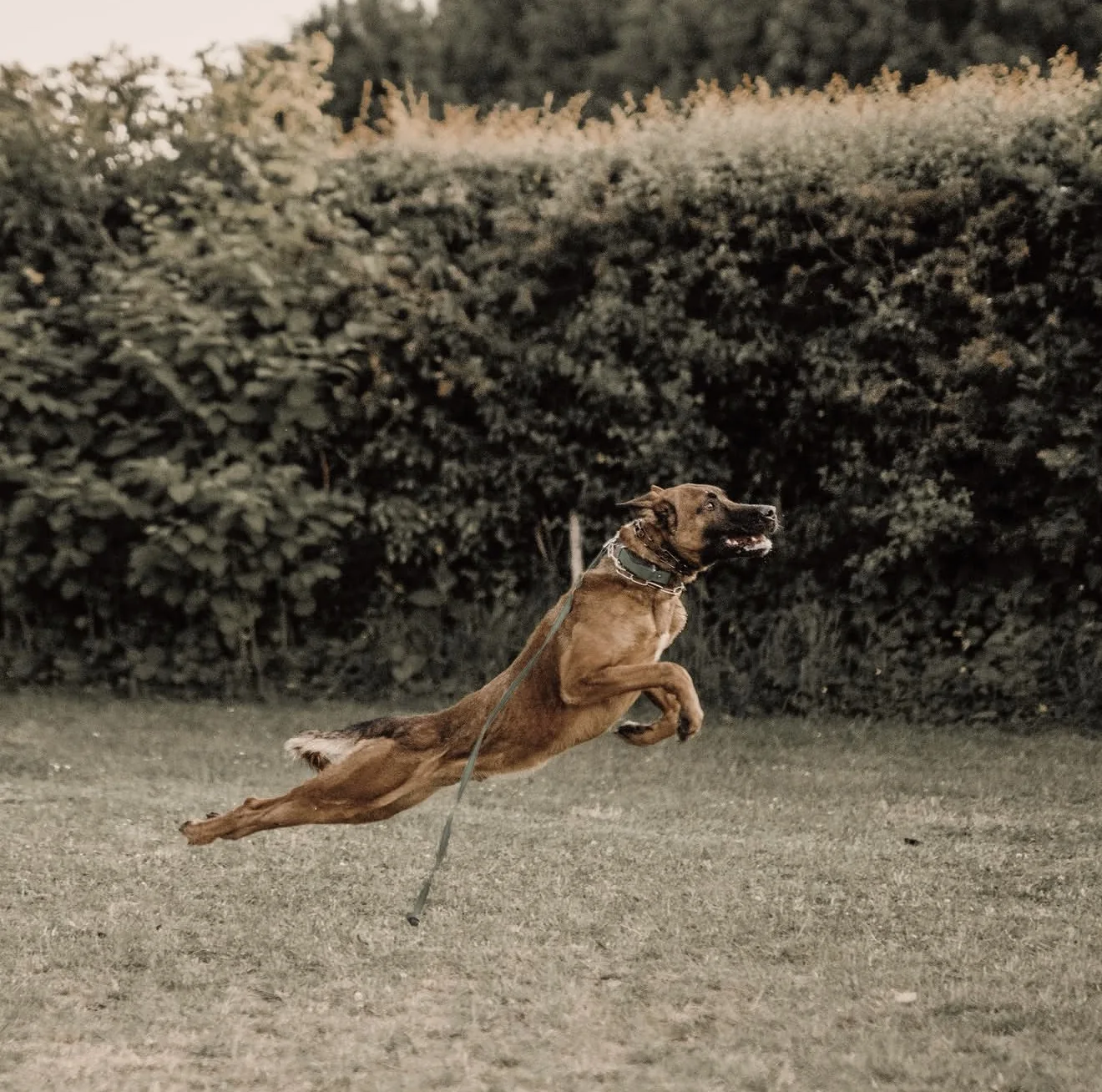
What is PSA dog sport designed to test?
PSA stands for Protection Sports Association. Its stated mission is civilian competition in canine obedience and controlled protection, with achievement recognised through titles, club trials and championships.[1] If you are asking what PSA dog sport is, begin with that purpose: a dog-and-handler team demonstrating trained skills under the sport's rules.
The protection exercises can make a strong first impression, but the competition also asks for obedience. PSA's official overview describes increasingly complex routines, environmental distractions and pressure from decoys, the people working with the dogs in protection scenarios. Higher levels introduce more surprise elements.[1] Those demands give a sport handler specific training goals. They do not answer every question an owner might have about a dog living with a family.
What a sport title tells an owner
A PSA result records achievement within that competition framework. The rulebook defines the behaviours, assessment and progression involved.[2] When discussing a titled dog, keep the claim attached to the work assessed rather than extending it to an unrelated role.
ADVK9 does not treat a sport title as proof of household protection suitability. A family discussion needs information about daily life: who handles the dog, how visitors are managed, whether children or other animals are present, and what the owner actually expects. Those questions cannot be settled by naming a competition level.
Equally, a training clip cannot establish how a dog will behave during an unplanned incident. Avoid treating a sport performance as a promise of protection reliability. An owner considering a household role needs an individual discussion about the dog and their circumstances, including whether that role should be pursued at all.
The levels, briefly
The entry certificate is the PDC, or Protection Dog Certificate. PSA recognises sleeve and suit divisions, but the suit-division PDC is required before the competitive levels. PSA 1, PSA 2 and PSA 3 are the competition titles that follow in sequence.[1] [2] They describe progression within PSA, not categories of family-protection ability.
For a fuller explanation, read our existing What is PSA dog sport? guide.[3] Use the current official rulebook when planning competition; the PDF currently linked by PSA is labelled 2025–2026.[2] There is no need to reproduce those rules when deciding whether your own goal is sport or household protection.
Describe the goal before choosing the training
For a sport enquiry, tell ADVK9 whether you want to explore PSA, improve competition-related skills or work towards a particular assessment. You can be interested in the sport without choosing a trial date immediately. The initial conversation should establish what you and your dog need to learn.
For a personal or family protection enquiry, explain what you mean by protection in your own circumstances. Include the dog's existing training, ordinary routines and any difficulties with people or daily management. A request for greater confidence handling your dog may need a different plan from the role you first had in mind.
If you have both interests, say so. We still need to assess each objective separately and keep the training scope clear. Joining sport training does not automatically add household protection work, and pursuing private protection coaching does not automatically make the PSA group appropriate.
Readiness can change the recommendation
Not every dog is suitable for sport or personal and family protection. At ADVK9, the recommendation takes account of the dog, your handling and the intended work. Age, experience and current readiness shape what is appropriate; a breed label or enthusiastic play does not guarantee a particular role.[4]
Be honest about concerns before asking for harder work. Do not assume that difficulty around strangers or visitors is evidence that a dog needs protection training. Those concerns need discussing on their own terms, rather than being used to justify more intensity.
The useful starting work may be communication, obedience, engagement or play. Assessment is a starting point, not a guarantee of suitability, bite work or a future title.[4] Keep protection exercises within supervised professional training and practise only the foundation tasks agreed for your dog.
Choose the ADVK9 route for your purpose
The £75, 45-minute Sport Dog Kickstarter covers either sport or personal and family protection goals with your existing dog. ADVK9 recommends it for new or uncertain handlers, but it is not compulsory. It provides practical foundation coaching and a discussion of suitable next steps.[4]
For sport, ADVK9 PSA offers group coaching, subject to suitability, readiness and club rules.[5] Sport-focused 1:1 coaching is another option where individual support fits the team.[6] The PSA group is sport-only; it is not the booking route for family protection.
For a household protection goal, read the Personal and Family Protection Training page and use its protection application to describe your dog and circumstances.[7] [8] Any ongoing personal or family protection work is coached privately through the 1:1 programme.[6] We work with the dog you already own, rather than selling ready-trained dogs. The application opens a conversation about appropriate scope; it does not promise suitability or a protection outcome.
Sources and further reading
- [1]Protection Sports Association: official mission, sport overview and levels
- [2]PSA official rulebook: currently linked 2025–2026 edition
- [3]ADVK9 Journal: the fuller What is PSA dog sport? guide
- [4]ADVK9 Sport Dog Kickstarter: either goal, assessment and foundations
- [5]ADVK9 PSA Club: sport-only coaching and suitability
- [6]ADVK9 1:1 Coaching Programme: private protection and sport scope
- [7]ADVK9 Personal and Family Protection Training: discuss your household goal
- [8]Apply to discuss personal or family protection with your own dog