
PSA dog sport
How to get started in PSA dog sport in the UK
Starting PSA dog sport in the UK? Understand PDC requirements, choose a suitable North West club and prepare for training with ADVK9 on the Wirral.
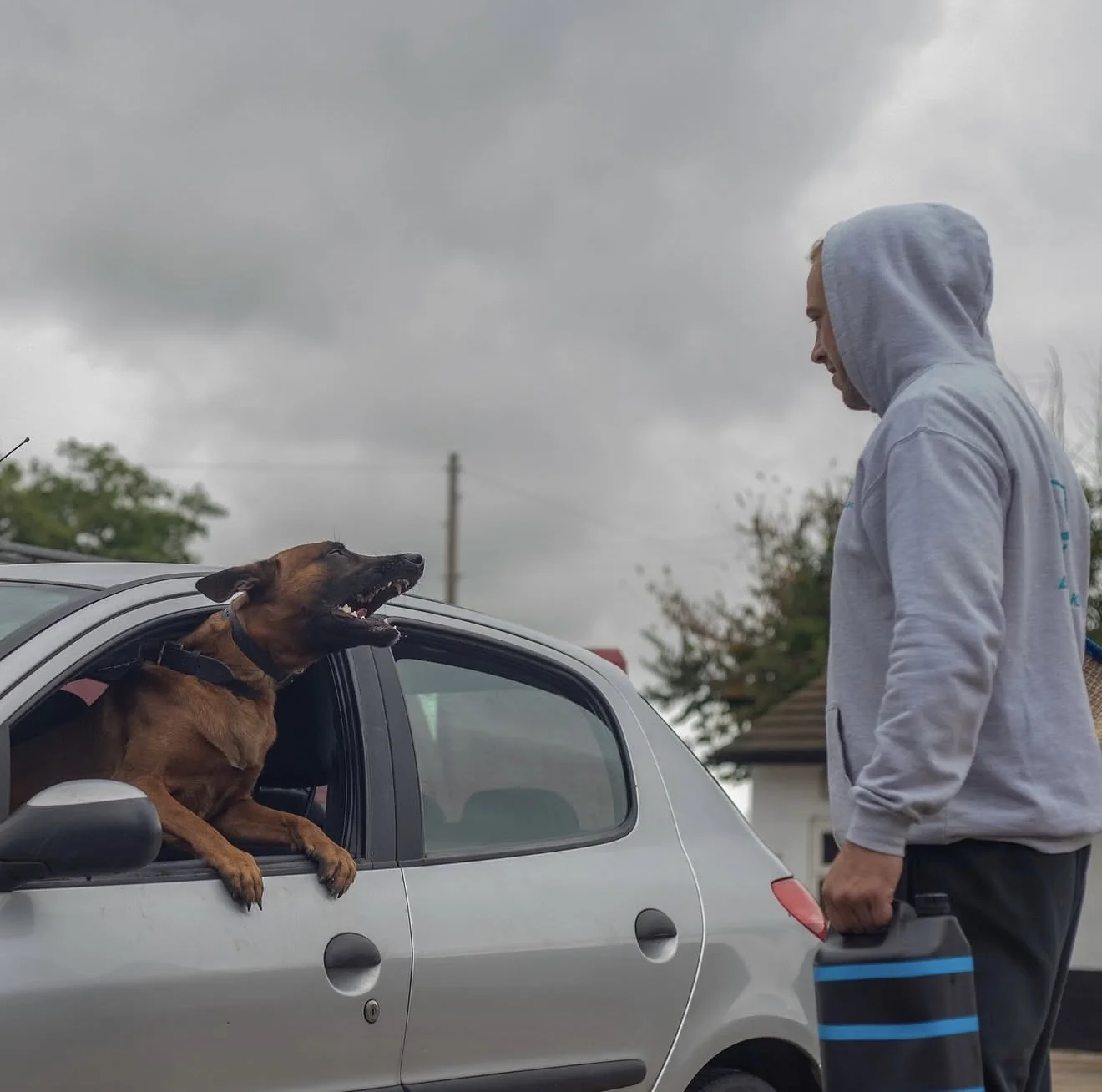
Check that PSA is the sport you want
Getting started in PSA dog sport in the UK begins with finding suitable coaching and understanding the competition you are preparing for. PSA means Protection Sports Association: civilian competition in obedience and controlled protection, with increasingly demanding scenarios and distractions.[1]
IGP has three phases: tracking, obedience and protection. Its protection work uses a protective sleeve. PSA has obedience and protection assessments, with suited decoys present during competitive obedience and more surprise elements at higher levels.[1] [3] Read the broader What is PSA dog sport? guide if you want more background before contacting a club.
Start with your own dog's suitability
A Malinois, Dutch Shepherd or German Shepherd is an example of a dog you might discuss with a sport coach, not an automatic recommendation for PSA. A breed label does not establish suitability. Explain your dog's age, health, training history, confidence and responses around unfamiliar people and dogs.
Not every dog is suited to the sport, and joining training does not promise bite work or a title. ADVK9 coaches handlers with their existing dogs; it does not sell ready-trained dogs. The useful first decision is whether this work fits your individual team, rather than which trial to enter.
Prepare useful information before contacting a club
Notice when your dog engages with you, which food or play rewards they enjoy, and whether they can respond to familiar cues outside the usual training setting. Describe what actually happens rather than saying the dog has 'loads of drive'.
Think about travel, waiting between turns and managing your dog around other teams. Tell the club about difficulties before arriving and ask what arrangements and equipment it wants you to use. Do not buy specialist protection equipment or copy bite exercises from videos. Our PDC foundations guide covers the teaching work in more detail.
Choose a North West club you can work with
Use PSA's official affiliated-club directory as a starting point, then confirm current contact details, training arrangements and availability directly.[4] Affiliation matters, but PSA states that it does not regulate affiliated clubs' business or training. Ask how coaches assess new teams and decide when to increase difficulty.[2]
For a PSA club in the North West, consider regular attendance as well as the training itself. ADVK9 is a PSA-affiliated club based on the Wirral, coaching handlers from Liverpool, Merseyside, Chester and Cheshire.[6] If you are considering travelling from Manchester or North Wales, check the actual journey and whether the schedule suits you.
Understand the PDC route before choosing an entry
The Protection Dog Certificate, or PDC, is an entry certificate, not a competitive title. There are sleeve and suit divisions. The sleeve division uses sleeve work; the suit division includes suited-decoy work, although the PDC also includes a hidden-sleeve scenario. Sleeve PDC alone does not qualify you for PSA 1: the suit-division PDC is required.[2]
PDC requires one complete passing trial. PSA 1, then PSA 2, then PSA 3 each require two complete passing legs in separate trials. A pass requires at least 75% in obedience and in every protection scenario. PSA 2 and PSA 3 normally require different judges for the two legs, with a championship exception defined in the rules.[1] [2]
Check current UK trial arrangements
The official rulebook currently linked by PSA is labelled 2025–2026. Check it again when planning an entry, rather than relying on an older clip or another handler's recollection. Use the official events calendar, distinguish trials from seminars or mock trials, and confirm details with the host before booking travel.[2] [5]
Ask the organiser about your dog's eligibility, the division offered, entry deadlines, fees, PSA membership, scorebook paperwork and permitted trial equipment. PSA requires membership for sanctioned participation and an official scorebook for each competing dog.[2] These are competition requirements, not an invented checklist for attending an ordinary club session.
Take specific questions to the first conversation
A short enquiry helps the club recommend a sensible start. Include your experience, your dog's current training and what you hope to learn. Then ask:
- How will you assess whether the group suits this dog and handler?
- What can we work on if the dog is not ready for bite work?
- How should the dog be managed while waiting?
- What practice and feedback should we expect between sessions?
Choose an ADVK9 starting point
The £75 Sport Dog Kickstarter supports sport and personal or family protection goals. It is recommended for new handlers or those new to PSA, not compulsory. Experienced sport handlers can book club attendance directly, subject to club rules, committee discretion and monthly membership review.
ADVK9 PSA runs Saturdays, 1–4pm, at £50 per session or £150 per calendar month. It is sport-only. Dogs receive two rounds: one obedience and one protection. Protection-round coaching covers drive and bite-work principles adapted to readiness, including when a dog is not biting.[6]
For individual support, explore 1:1 coaching. Ongoing personal or family protection is private 1:1 work, not group PSA; use the protection application for that goal. If you are unsure which route fits, send an enquiry before booking.
Sources and further reading
- [1]Protection Sports Association: official sport overview and progression
- [2]PSA official rulebook: currently linked 2025–2026 edition
- [3]FCI International Utility Dog Regulations: IGP rules effective 2025
- [4]PSA official affiliated-club directory
- [5]PSA official events calendar: trials and other sanctioned events
- [6]ADVK9 PSA Club on the Wirral: current coaching, prices and club arrangements